
21 Feb Respect and sportsmanship in fencing: the soul of the fight
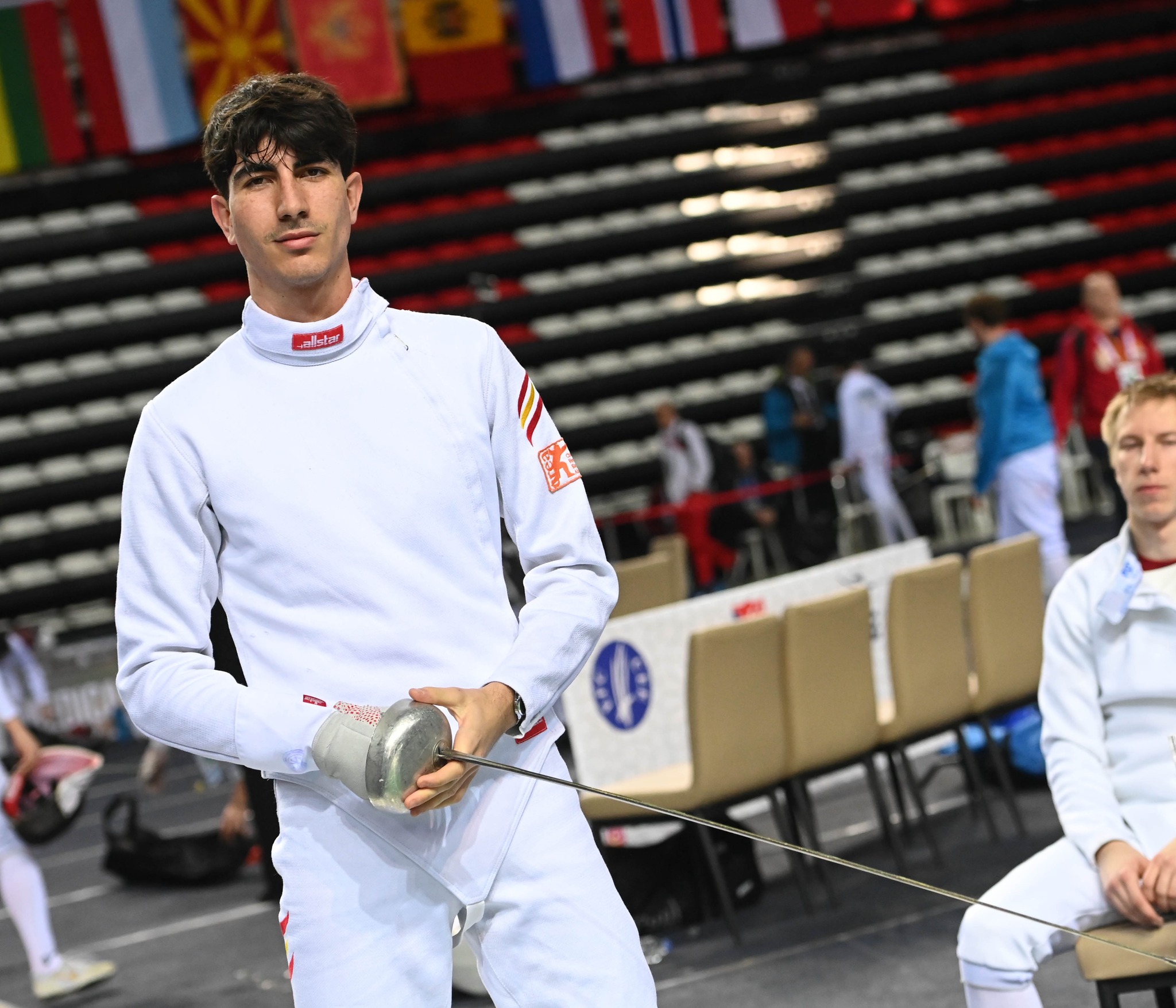
When we talk about fencing, the most common image is usually associated with speed, precision, and tense one-on-one duels. However, behind every bout, every touch, and every victory, there is an essential element that often goes unnoticed: respect and sportsmanship. Without these values, fencing simply could not exist as we know it today.
Far from being a moral addition, respect is one of the pillars that support this sport, both in its regulations and in its tradition and daily practice.
Respect as the basis of confrontation
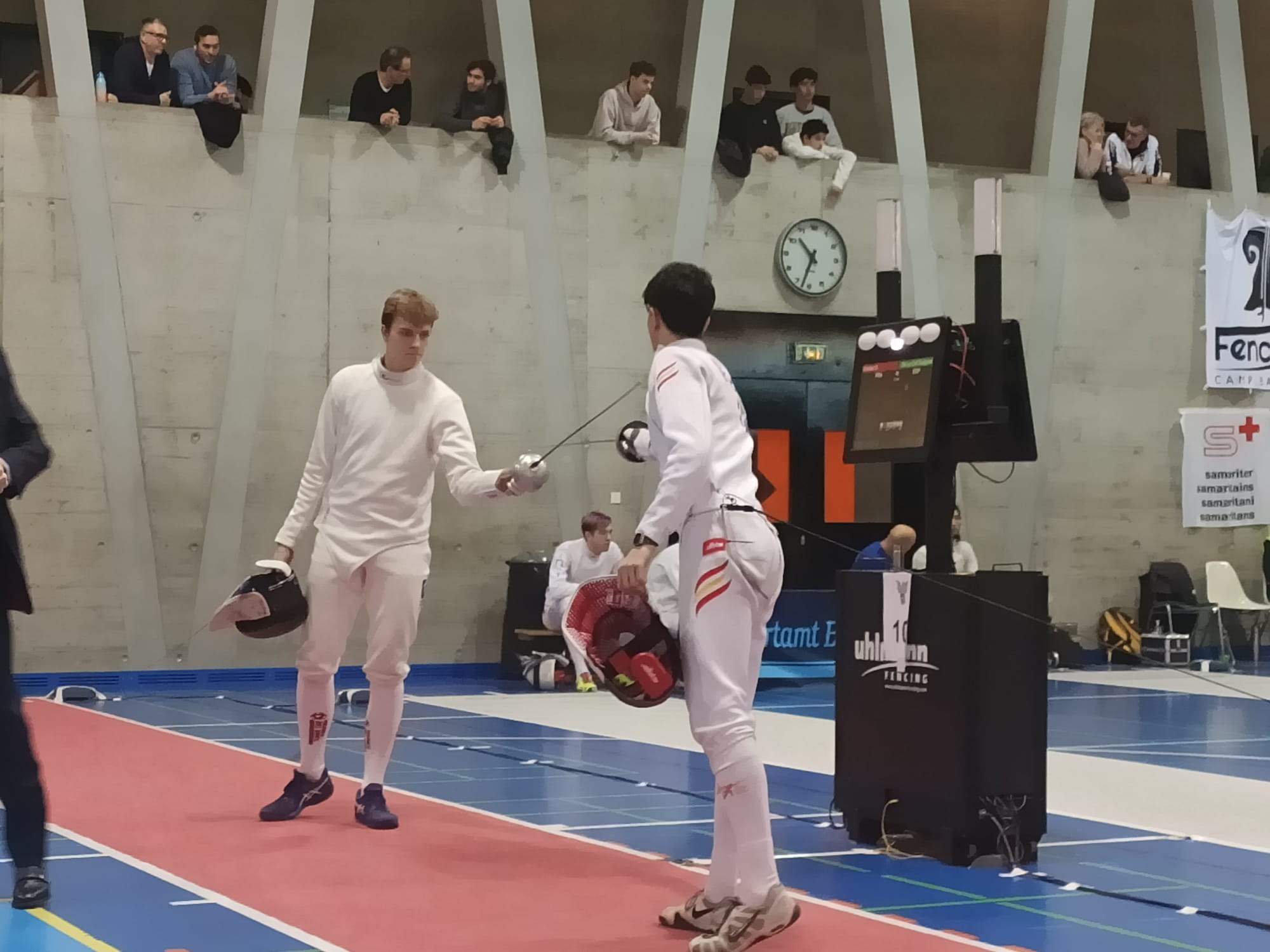
In fencing, every bout begins and ends the same way: with a bow. This gesture, both obligatory and deeply symbolic, represents a tacit agreement between the fencers. It’s a way of saying: we’re going to compete with intensity, but always within clear limits of respect and safety.
This greeting marks a very clear boundary between sporting competition and any form of aggression. The opponent is not an enemy to be defeated at any cost, but a partner in learning. Without them, there is no bout, no challenge, and no progress. Therefore, in fencing, special care is taken with attitudes both on and off the piste, avoiding gestures of contempt, provocation, or humiliation.
Competing at the highest level is not incompatible with respect; on the contrary, respect enhances the competition.
Sportsmanship: accepting rules, referees, and mistakes
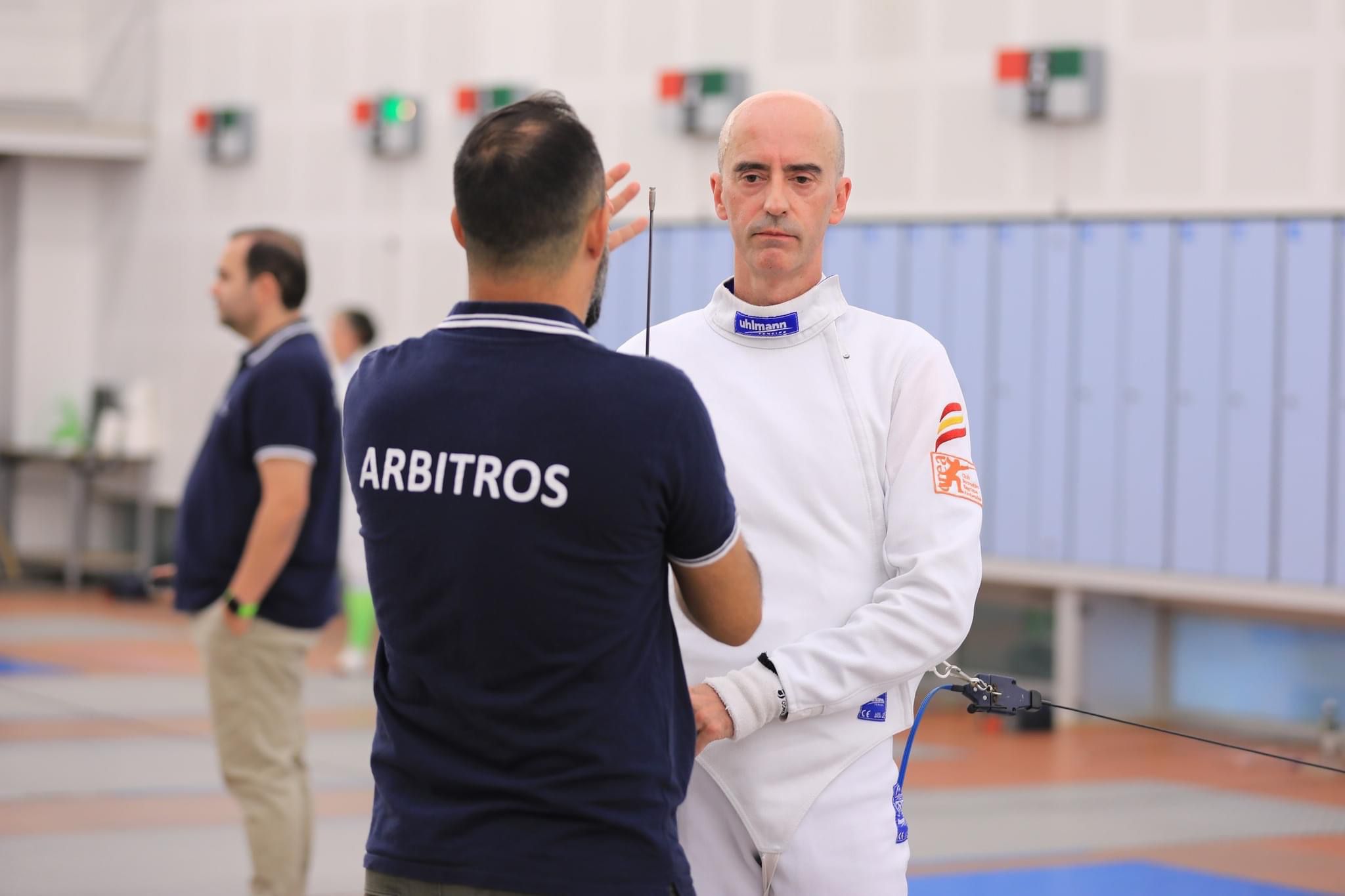
Fencing is a fast and complex sport. Many actions occur in fractions of a second, and sometimes the referee’s decisions can be difficult to accept. However, sportsmanship means understanding that the referee is a necessary figure to guarantee order, fairness, and safety in the bout.
Accepting a decision you disagree with is part of a fencer’s learning process. Not everything depends on you, and knowing how to manage that frustration is a lesson that goes far beyond the sport.
One of the most valued aspects within the fencing community is honesty. There are situations where only the fencer is fully aware of whether they have been touched. Acknowledging this is not a sign of weakness, but of integrity. In fencing, personal reputation is built on conduct, and fair play leaves a lasting impression.
Self-control: mastering the mind as much as the weapon
Fencing is emotionally intense. Every point counts, every mistake is felt, and every bout can change in seconds. In this context, self-control becomes as important a skill as technique or physical conditioning.
Learning to breathe, to recover after a mistake, and to remain calm under pressure is a fundamental part of a fencer’s training. Losing control is not only frowned upon, but it often translates into poorer performance. Fencing teaches that clear thinking is key to making good decisions.
Winning also requires self-control. Celebrating a victory is natural and healthy, but doing so with respect and elegance distinguishes a good fencer. Acknowledging the opponent’s effort and avoiding arrogance contributes to maintaining a healthy and competitive environment.
Tradition, honor, and responsibility
Fencing has its roots in history, when duels were tied to personal honor. Although today it is practiced as a modern, safe, and regulated sport, that legacy remains present in its ethics.
Each fencer represents more than just themselves: they represent their club, their coaches, and the sport itself. That is why behavior on and off the piste is so important. Technique can be perfected over time, but values must be taught from day one.
It is no coincidence that so much emphasis is placed on respect, courtesy, and sportsmanship in the training of young fencers. Fencing not only seeks to develop good athletes, but also responsible individuals who are aware of their actions.
Values that transcend the armory
The respect and sportsmanship learned in fencing extend beyond the sporting arena. Those who practice this sport often develop valuable life skills: improved conflict management, the ability to accept rules, frustration tolerance, and a healthy way of competing without damaging relationships.
Fencing teaches that one can strive for a goal with intensity and ambition without ever losing one’s composure or respect for others.
Our commitment at the Alcobendas Fencing Recreation Club
At the Alcobendas Fencing Club, these principles are an essential part of our identity. Respect and sportsmanship are not just words, but values that are cultivated daily in training and in the interactions among club members.
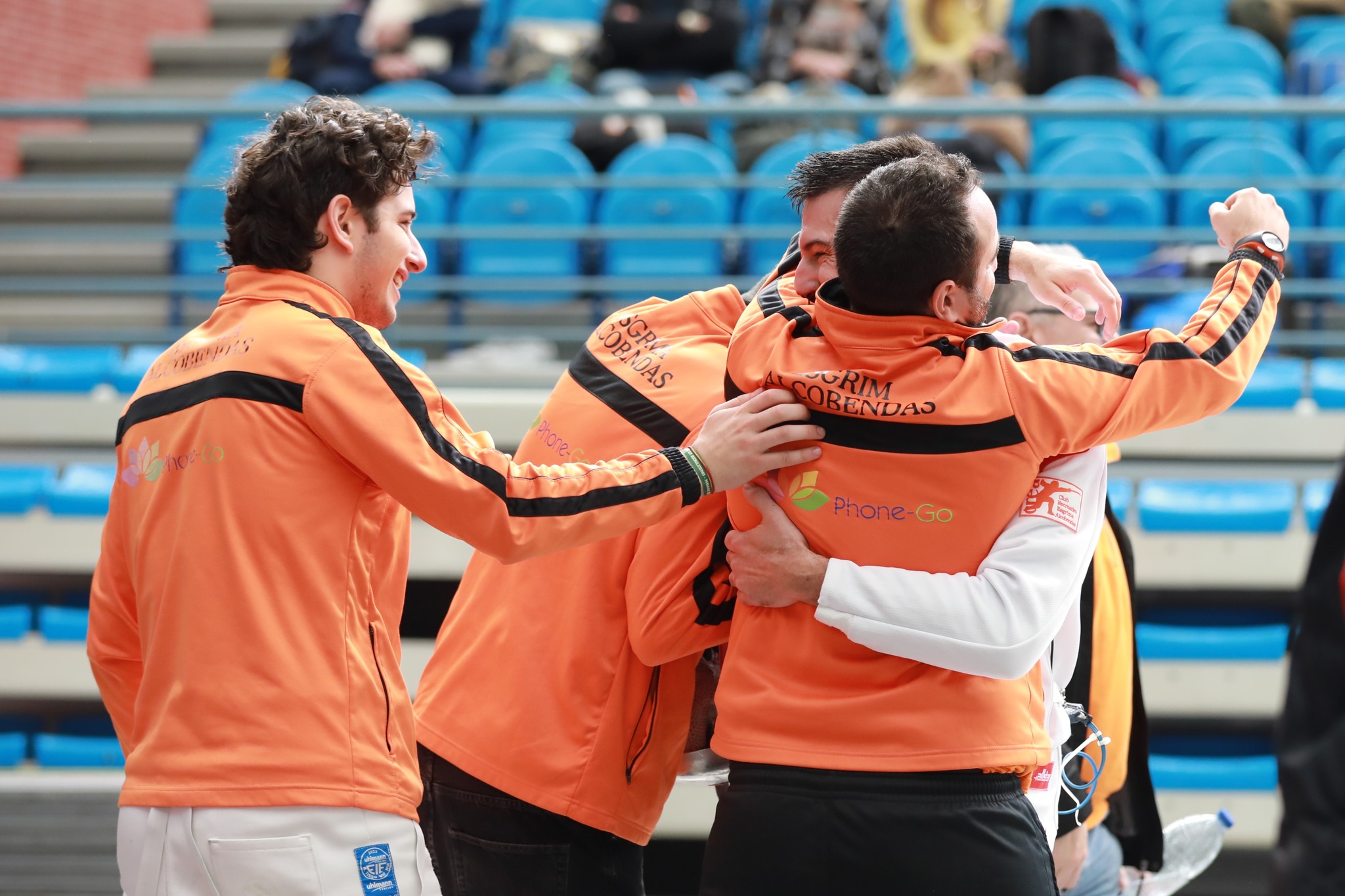
We strive to create a close-knit, safe, and welcoming environment where people of all ages and skill levels can enjoy fencing. Here, you train, learn, and improve, but you also laugh, share, and develop a strong sense of camaraderie.
A positive atmosphere is one of our defining characteristics. When people are having a good time, they feel respected and learn to respect others. We firmly believe that fencing is more enriching when practiced with sportsmanship and enjoyment, and that is the spirit that defines the Alcobendas Fencing Club.
Come and try fencing with us
If you’re drawn to fencing and looking for a sport that combines physical activity, strategy, and strong values of respect and sportsmanship, we invite you to join us. At the Alcobendas Fencing Club, you’ll find a friendly atmosphere, great camaraderie, and training sessions adapted to all levels.
It doesn’t matter if you’ve never held a weapon before or if you’re already experienced: the important thing here is to learn, enjoy, and share fencing with respect. Come and meet us, try a class, and discover why so many people stay.